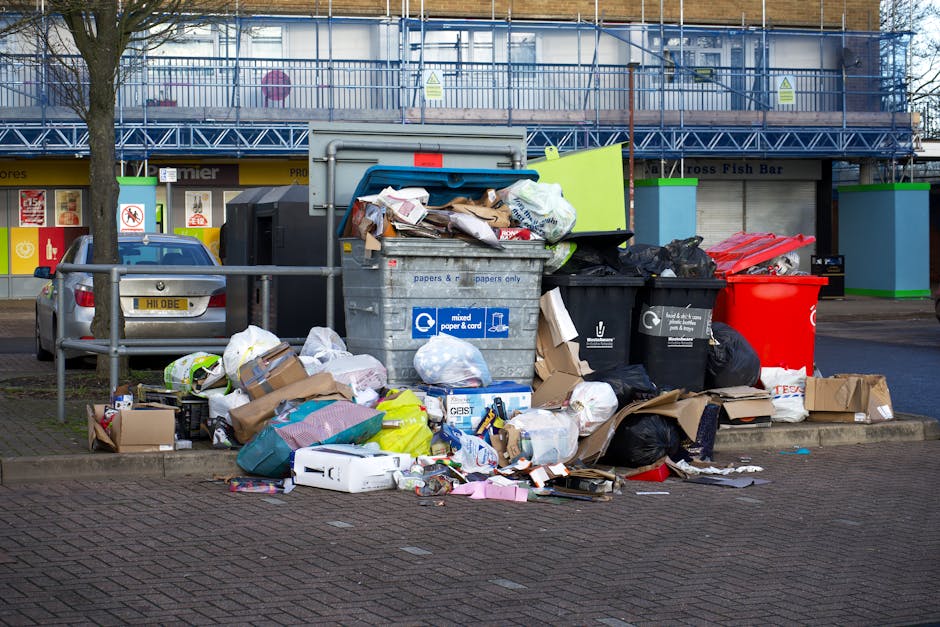
Haringey Council rubbish rules for Crouch End homes: a practical local guide
If you live in Crouch End, rubbish collection probably only becomes interesting when something goes wrong: a missed bin, a bag that has split on the pavement, a recycling week you forgot about, or a bulky item that suddenly needs moving out of the hallway. That is exactly where understanding Haringey Council rubbish rules for Crouch End homes saves time, stress, and a lot of back-and-forth.
This guide breaks down how household waste and recycling usually work in the area, what residents should keep an eye on, where people trip up, and how to stay tidy without making life harder than it needs to be. It is written for real homes, real streets, and the kind of everyday rubbish that builds up in a busy North London household. Not glamorous. Still important.
For readers who are planning a clear-out or want support managing household waste responsibly, you may also find our recycling and sustainability approach useful, along with the practical details on pricing and quotes if you are comparing options.
Table of Contents
- Why Haringey Council rubbish rules for Crouch End homes matters
- How Haringey Council rubbish rules for Crouch End homes works
- Key benefits and practical advantages
- Who this is for and when it makes sense
- Step-by-step guidance
- Expert tips for better results
- Common mistakes to avoid
- Tools, resources and recommendations
- Law, compliance, standards, or best practice
- Options, methods, or comparison table
- Case study or real-world example
- Practical checklist
- Conclusion
- Frequently asked questions
Why Haringey Council rubbish rules for Crouch End homes matters
Rubbish rules are one of those things people barely think about until a bin is refused, a collection is missed, or a neighbour complains about a black sack left out too early. In a place like Crouch End, where streets can be narrow, front gardens are often small, and pavement space is precious, small mistakes become obvious quickly.
Following local waste rules matters for three simple reasons. First, it keeps your home cleaner and less cluttered. Second, it helps collections happen smoothly for everyone on the street. Third, it reduces the risk of contamination, overspills, pests, and the sort of mess that can hang around for days when the weather turns damp. Let's face it, nobody wants a broken bin bag smell drifting up the path on a warm afternoon.
There is also a practical side that people sometimes miss. If your waste is presented incorrectly, you may end up waiting another week, sorting it out yourself, or paying for an extra collection or alternative disposal. That is avoidable. A bit of knowledge goes a long way.
Expert summary: The easiest way to stay on the right side of local rubbish rules is to separate waste properly, present it on the correct day, keep it contained, and avoid assuming that all items can go in the same bin. Simple, but not always easy on a busy Tuesday night.
How Haringey Council rubbish rules for Crouch End homes works
At a basic level, waste collection in Haringey works by asking households to separate rubbish into the right streams and present it in the right way for scheduled collection. For many homes, that means general rubbish, recycling, and sometimes food waste or garden waste depending on the property and the service available. Exact arrangements can vary by property type, street layout, and collection setup, so it is always wise to check the current local instructions before putting anything out.
In practice, the process tends to follow the same rhythm each week: store waste inside the property, separate recycling from non-recyclables, use the correct containers or sacks, and place them out at the designated time. Sounds straightforward. Then real life arrives. Packaging gets confusing, bins fill up faster than expected, and one rogue coffee cup seems to end up in the wrong place every time.
For larger clear-outs, the usual household system may not be enough. That is where planning matters. If you are clearing a loft, emptying a spare room, or dealing with old furniture, it helps to think beyond the weekly bin schedule and decide what needs separate handling. If you want a company profile before booking help, our about us page explains the approach we take, and the health and safety policy covers how we work carefully in occupied homes.
What usually counts as household rubbish?
Household rubbish usually means the everyday non-recyclable waste that remains after you have separated out recyclable items, food waste, and any reusable materials. Think wrappers, broken household items that cannot be reused, hygiene waste, and general bagged waste from day-to-day living.
The tricky part is that many items people think are "just rubbish" are not always supposed to go in the same bin. Mixed materials, electricals, and sharp items often need different handling. A bit of sorting now can save you a lot of hassle later.
Why container choice matters
Using the right bin, box, or sack is not just a tidy habit. It helps crews collect waste safely and reduces the chance of litter blowing across the pavement. In a windy London street, one loose bag can turn into five loose problems in about thirty seconds.
If you are moving items yourself, keep them secure and manageable. Heavy bags that split on the step are a common headache, and nobody enjoys scrubbing soup off a path at 8am. Been there, regretted that.
Key benefits and practical advantages
Following the rules properly is not about being fussy. It gives you tangible benefits that show up in daily life.
- Cleaner front areas: Neater presentation means less mess around bins, gates, and pavements.
- Fewer missed collections: Correctly sorted and presented waste is less likely to be left behind.
- Lower contamination risk: Recycling stays useful when the wrong items are kept out.
- Less stress before collection day: You know what goes where, so there is less last-minute guesswork.
- Better neighbour relations: Nobody likes rubbish drifting across shared entrances or piling up by a terrace wall.
There is a quieter benefit too: once you get into the habit, it becomes automatic. You sort as you go. No dramatic bin-week scramble. Just a calmer routine.
Who this is for and when it makes sense
This guide is useful for a wide range of Crouch End residents, from flat-sharers to families in terraced homes and owners dealing with a major sort-out. If your household uses council collections, or if you are deciding how best to remove bulky waste, the same principles apply: know what you have, separate it properly, and choose the right route for disposal.
It makes particular sense if you are:
- new to the area and still learning local collection routines
- living in a flat or maisonette with shared waste storage
- dealing with overflowing bins after a house clear-out
- sorting bulky items after a move, bereavement, or renovation
- trying to reduce waste and recycle more responsibly
If you are unsure whether a property is suitable for a small team lift, stair carry, or a more careful clearance plan, our insurance and safety information is worth a look. It gives a clearer sense of the precautions involved when waste is being moved through tight spaces, which Crouch End homes often have. Not exactly ballroom corridors, are they?
Step-by-step guidance
Here is the cleanest way to approach rubbish rules without overthinking it.
- Check what you actually have. Split waste into general rubbish, recycling, food waste, and anything bulky or hazardous.
- Keep recyclables clean and separate. Loose food residue, mixed materials, and unnecessary contamination can ruin a whole bag or container.
- Use the right container. If your household has bins or sacks, use them as intended rather than improvising with random bags.
- Store waste safely until collection. Keep bins closed where possible and avoid leaving bags outside too early.
- Place items out on the correct day. Timing matters. A bin out at the wrong time can be in the way, or worse, missed.
- Handle bulky or unusual items separately. Furniture, white goods, mattresses, and electricals often need extra thought.
- Recheck before collection day. A quick glance can catch the stray bottle, cereal box, or loose packaging you nearly forgot.
That is the basic rhythm. Simple, steady, repeatable. Once it becomes habit, it barely feels like a process at all.
What to do with awkward household items
A lot of the difficulty comes from odd-shaped or mixed-material items. A broken chair, for example, may not fit neatly into any one collection stream. A small amount of dismantling can help. Remove anything reusable, separate metal from wood where sensible, and keep sharp edges covered.
For electricals, batteries, paint, chemicals, and anything potentially hazardous, do not guess. Those items should be treated with extra caution. If in doubt, hold them back until you have checked the safest route. Better a delayed disposal than a sloppy one.
Expert tips for better results
In our experience, the smoothest waste routines are the ones that are boringly consistent. That is a compliment, oddly enough.
- Keep one small sorting caddy inside the kitchen. It makes recycling easier and stops people tossing everything into one bag in a hurry.
- Flatten cardboard properly. It takes seconds and saves a surprising amount of space.
- Use liners only where appropriate. Some recyclable items should stay clean and loose, depending on the container type.
- Split large clear-outs into stages. Do not leave everything for the night before collection. That way madness lies.
- Protect shared hallways and steps. If you live in a flat, a small sheet or mat by the exit can reduce scuffs and mess.
- Label keep, recycle, donate, and dispose piles. The labels sound almost too simple, but they work.
One small but useful trick: set a ten-minute bin reset once a week. Empty the caddies, check the kitchen recycling, and make sure nothing awkward has been left on the landing. Ten minutes. That is usually enough.
If you are considering a professional clear-out, choosing a provider with clear environmental priorities can make a real difference. Our recycling and sustainability page explains how responsible sorting and reuse fit into the job, while pricing and quotes can help you compare options without any guesswork.
Common mistakes to avoid
Most waste problems are boringly predictable. The good news is that means they are usually avoidable.
- Putting the wrong items in recycling. One contaminated bag can create more work than you expect.
- Overfilling bags and bins. Heavy or bursting sacks are difficult to handle and easy to split.
- Leaving rubbish out too early. This can create clutter, attract pests, or obstruct pedestrians.
- Assuming every bulky item is treated the same. Sofas, wardrobes, mattresses, and appliances often need different handling.
- Ignoring shared building rules. In flats, one household's shortcut becomes everyone else's problem. A bit annoying, really.
- Forgetting hidden waste. Cupboard contents, loft clutter, and under-bed storage can add up fast.
Another common one: people start a clear-out with good intentions and then run out of space midway through. That is when waste gets shoved into corners or hidden on the balcony. It happens. But it is a sign to slow down and plan the next step rather than forcing everything into one final bag.
Tools, resources and recommendations
You do not need fancy tools to manage rubbish well, but a few simple items make the whole job easier.
| Tool or item | Why it helps | Best use |
|---|---|---|
| Strong refuse sacks | Reduces splitting and spill risk | General rubbish and non-recyclables |
| Cardboard cutter or safety knife | Makes flattening boxes easier | Packaging and delivery waste |
| Storage tubs or labelled boxes | Keeps sorting organised | Clear-outs, lofts, and household moves |
| Protective gloves | Helps with sharp edges and dirty items | Sorting bags, sheds, and storage areas |
| Reusable tote or basket | Makes recycling trips easier inside the home | Kitchen and hallway sorting |
For service-related questions, including how arrangements work, what is included, or how payments are handled, a few of our support pages may help. See terms and conditions for service expectations and payment and security for reassurance on how transactions are handled. If you need to get in touch, our contact us page is the right place to start.
Law, compliance, standards, or best practice
Waste and rubbish handling is not something to treat casually. Even when the task looks simple, there are basic legal and practical expectations around safe storage, proper disposal, and avoiding nuisance. In the UK, householders are generally expected to present waste responsibly, prevent fly-tipping, and avoid putting out items in a way that creates a hazard or obstruction.
For ordinary households, the safest approach is to follow council guidance for separation and presentation, and to treat unusual items with caution. If something is electrical, sharp, heavy, contaminated, or potentially hazardous, do not assume it belongs in the same system as your weekly bin. Common sense helps, but so does restraint.
For anyone using a clearance company, best practice goes a bit further. You want a team that works carefully, handles waste responsibly, and takes safety seriously in tight domestic spaces. Our health and safety policy and insurance and safety pages are there to show how that sits within a professional service.
There is also a wider duty of care mindset that matters here: waste should be moved, sorted, and disposed of in a way that avoids harm and limits environmental impact. You do not need to become a compliance expert to do the right thing, thankfully. You just need a consistent routine and a careful eye.
Options, methods, or comparison table
People in Crouch End usually have three practical routes for dealing with household rubbish and unwanted items. The best choice depends on volume, urgency, and how much lifting you want to do yourself.
| Option | Best for | Pros | Trade-offs |
|---|---|---|---|
| Routine council collections | Everyday household waste | Simple, regular, familiar | Limited to what the collection system accepts |
| DIY sorting and disposal | Small clear-outs and manageable loads | Full control, flexible timing | Time-consuming; you do the lifting and sorting |
| Professional clearance support | Bulky items, larger volumes, awkward access | Fast, practical, less physical effort | Cost depends on volume and complexity |
For a couple of bags and a tidy weekly routine, council collection is usually enough. For a spare room full of old furniture, boxes, and mystery items from the back of the loft, a more structured clearance often makes life easier. No prize for doing it the hard way.
Case study or real-world example
A fairly typical Crouch End scenario goes like this. A couple living in a top-floor flat decide to clear out a spare room after years of storing old books, broken shelving, a lamp that no longer works, and half a dozen moving boxes from a previous address. At first it looks manageable. Then the piles grow. Then the recycling stack starts leaning like it has opinions.
The first mistake is usually mixing everything together. That makes sorting slower and increases the chance of contamination. The second mistake is leaving the job for one evening, which means bags get overloaded and the hallway becomes a temporary warehouse. Not ideal when you need to pass through with laundry, shoes, and a kettle.
What works better is a simple staged approach: sort into keep, donate, recycle, and dispose; dismantle bulky pieces where possible; keep anything sharp wrapped safely; and clear one section at a time. In this type of job, a careful service can make the process much smoother, especially when stairs, narrow landings, or parking constraints add friction.
That kind of real-world job is where experience matters. Not because it is complicated in theory, but because homes are full of small surprises. A table that seemed light suddenly has water damage. A wardrobe back panel is nailed awkwardly. Someone finds a box of old cables nobody remembers buying. Happens all the time.
Practical checklist
Use this checklist before your next collection day or home clear-out:
- Have I separated recycling from general waste?
- Are all bags secure and not overfilled?
- Have I checked whether any items are bulky, sharp, or hazardous?
- Are the bins or sacks being stored neatly until collection time?
- Do I know what needs to go out and what needs to stay in?
- Have I flattened cardboard and removed obvious contamination?
- Am I avoiding leaving waste in shared spaces or on the pavement too early?
- If I have a larger job, do I need a quote or extra help?
If you answered "no" to a couple of those, that is fine. Most people do at first. The trick is simply building a routine that works without making the household feel like a recycling depot.
Get a free quote today and see how much you can save.
Conclusion
Understanding Haringey Council rubbish rules for Crouch End homes is mostly about being organised, realistic, and a little bit patient with the process. The rules are there to keep streets cleaner, collections smoother, and waste handling safer for everyone. Once you know the basics, it becomes much easier to manage day-to-day rubbish and bigger clear-outs without the usual last-minute scramble.
If you are clearing a home, dealing with bulky items, or simply trying to get your waste routine under control, the best approach is the same: sort early, separate properly, and choose the right disposal method for the job. Small habits make a big difference, honestly.
And if you are weighing up professional help, you can review our pricing and quotes, learn more about us, or browse our recycling and sustainability page for a clearer picture of how we work. A tidy home starts with a tidy plan, and that part is often easier than people think.
When the bins are sorted and the hallway is clear, the house just feels lighter. Quietly better. That is the real win.
Frequently Asked Questions
What are the basic Haringey Council rubbish rules for Crouch End homes?
In simple terms, households are expected to separate waste properly, use the correct bins or sacks, and put rubbish out at the right time for collection. The exact setup can vary by property type, so it is sensible to check your local arrangements if you are unsure.
Can I put mixed rubbish into one bag if I am in a hurry?
It is better not to. Mixed waste can cause recycling contamination and may be harder to handle safely. If you only have a few minutes, sort the obvious items first and keep recyclables separate from general rubbish.
What should I do with bulky items like furniture or mattresses?
Bulky items usually need separate handling rather than going out with normal household rubbish. Break them down where safely possible, check what can be reused or recycled, and consider whether professional collection is the easiest route.
How do I deal with waste in a flat or shared building?
Shared buildings need extra care. Keep waste in the correct communal storage area, avoid blocking hallways, and make sure items are secure. One messy bag in a shared entrance tends to cause more trouble than you would expect.
What happens if I put rubbish out too early?
Leaving rubbish out too early can create clutter, nuisance, and sometimes an obstruction. It may also increase the chance of bags being torn or moved before collection. A short wait is usually the safer option.
Are recycling rules really that strict?
They can be, yes. Recycling works best when items are clean and placed in the correct stream. Contamination is a common reason recyclable material becomes less useful, so it is worth being careful.
What should I do with broken electrical items?
Electrical items should not be treated like ordinary rubbish. Keep them separate and handle them cautiously, especially if they contain batteries, sharp parts, or damaged wiring. If you are not sure what to do, set them aside rather than guessing.
How can I reduce rubbish around the house each week?
Use a small sorting system in the kitchen, flatten cardboard, empty recycling regularly, and avoid letting paperwork, packaging, and soft plastics pile up. A few tiny habits make a big difference over time.
Is it cheaper to do everything myself?
Sometimes, yes, for smaller loads. But once waste becomes bulky, heavy, or awkward to move, the time and effort can outweigh the saving. A proper comparison is not just money; it is also stress, lifting, and how much space you have.
Do I need professional help for a house clearance in Crouch End?
Not always. For a few bags, probably not. For a loft clear-out, inherited furniture, or a home with limited access, professional help can be a much more practical choice. It depends on the volume and the job in front of you.
How do I avoid common waste problems before collection day?
Check your containers, keep rubbish secure, separate recyclables, and do one final sweep of the house the night before. That last step catches the odd stray box, bottle, or bag that otherwise gets forgotten in the rush.
Where can I get more information or arrange help?
You can start with our contact us page if you want to ask a question or discuss a specific clear-out. If you are comparing services or want to understand how the process works, the terms and conditions and payment and security pages are also useful.