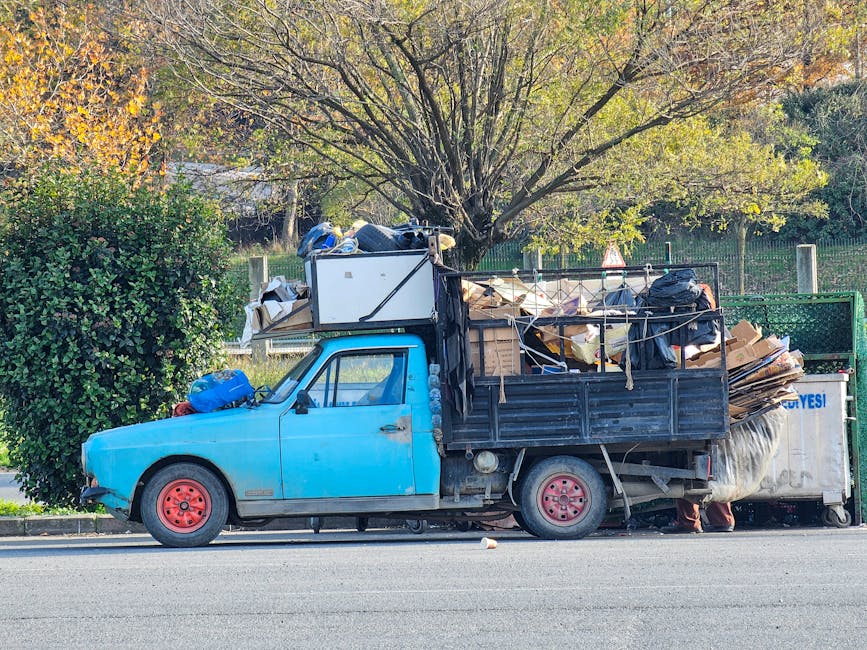
Emergency bulky rubbish pickup near Alexandra Palace
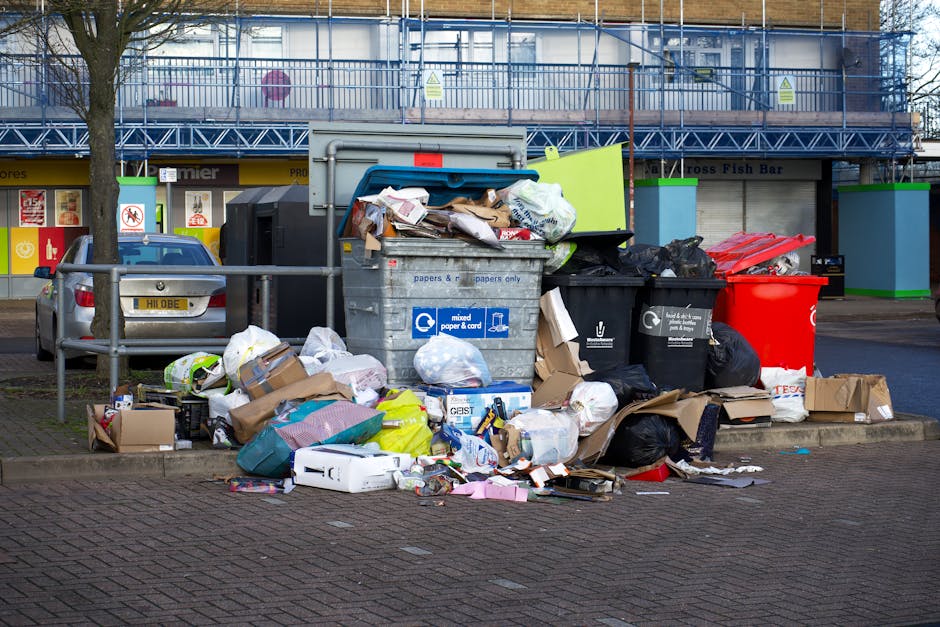
If you have a sofa blocking the hallway, a broken wardrobe leaning in the spare room, or a pile of renovation debris that needs to disappear today, you are probably not looking for theory. You need a fast, practical answer. That is exactly where Emergency bulky rubbish pickup near Alexandra Palace comes in: a same-day or urgent collection service for large items that are too awkward, too heavy, or too many for normal household disposal.
Let's face it, bulky rubbish has a habit of turning an ordinary day into a bit of a mess. One minute everything is fine; the next you cannot open a door properly, or the front room looks like a storage unit after a storm. This guide explains how emergency bulky rubbish pickup works, when it makes sense, what to expect, and how to choose the right approach if you are dealing with a time-sensitive clear-out near Alexandra Palace.
Why Emergency bulky rubbish pickup near Alexandra Palace Matters
When bulky waste piles up quickly, it does more than take up space. It can affect access, safety, hygiene, and even how calmly you can function in your own home or business. A damaged mattress in a narrow flat, a shattered cabinet in a hallway, or old office furniture stacked by a fire exit is not just inconvenient. It becomes a real-world problem.
Near Alexandra Palace, that matters even more because homes, flats, conversions, and commercial spaces often have tight access, shared entrances, or limited parking. If you have ever tried to manoeuvre a heavy item down stairs while dodging a lamp on one side and a squeaky bannister on the other, you will know the feeling. It is awkward, a bit stressful, and frankly not something most people want to do after work.
Emergency pickup services exist for situations where waiting several days is not sensible. That could be because the item is causing obstruction, you need to hand a property back soon, tradespeople are arriving, or the rubbish has become a safety issue. In those moments, speed is not a luxury. It is the whole point.
For some people, the need is emotional as well as practical. A bereavement clear-out, a sudden tenancy change, or a last-minute move can make bulky waste feel like one more thing pressing on your shoulders. A calm, organised pickup can take a surprisingly large weight off the day. Small thing, big relief.
If you are dealing with broader clearances too, related services such as house clearance, home clearance, or flat clearance may be useful when the job is bigger than one or two items.
How Emergency bulky rubbish pickup near Alexandra Palace Works
In simple terms, the process is designed to move from enquiry to collection as quickly and safely as possible. The exact timing depends on workload, access, item type, and how much information you can give upfront. The more accurate your description, the faster the team can plan the right vehicle, labour, and equipment.
Typical emergency collection starts with a quick assessment. You describe what needs removing, where it is, whether it is inside or outside, and whether access is straightforward. If it is a sofa on the second floor with a tight stairwell, say so. If there are several wardrobes, a broken bed frame, and a pile of packaging, say that too. It saves everyone time later.
Then comes scheduling. Emergency does not always mean instantly, but it usually means same-day or very short-notice pickup where possible. The team may confirm the type of waste, advise on anything that needs special handling, and explain what can and cannot be taken. That matters because not every bulky item is treated the same way.
On arrival, the crew will normally assess access, confirm the items, and load them safely. The good ones move with purpose. No standing around scratching heads, no unnecessary fuss. You want a team that understands how to protect walls, floors, stairs, and door frames while getting the job done efficiently.
If your rubbish includes old furniture, the service may overlap with furniture clearance or furniture disposal. For garage clutter, garden waste, loft clutter, or old office items, the relevant route might be a more focused clearance service, such as garage clearance, loft clearance, garden clearance, or office clearance.
Key Benefits and Practical Advantages
The most obvious benefit is speed, but there is a bit more to it than that. A proper emergency bulky pickup removes friction from your day. You stop tripping over the item, stop worrying about whether it will fit in the car, and stop losing time figuring out disposal options.
- Fast relief: urgent collection clears the blockage quickly, which is especially useful before a move, inspection, delivery, or repair visit.
- Safer space: removing broken or heavy items reduces trip hazards and makes rooms easier to use.
- Less physical strain: moving bulky waste alone is where people hurt backs, fingers, or knees. Truth be told, it is easy to underestimate one heavy sofa.
- Better access: hallways, entrances, and fire routes stay usable, which matters in shared properties and business premises.
- Less disruption: a tidy space is easier to clean, decorate, let, sell, or return at short notice.
- More predictable outcome: you know who is collecting, when, and roughly how the job will be handled.
There is also a less obvious advantage: mental clarity. A cluttered room can feel oddly louder, even when it is silent. Clearing one big obstacle often makes the rest of the task feel possible. That sounds a bit dramatic, maybe, but anyone who has cleared a packed room on a Sunday afternoon knows what I mean.
For larger or mixed loads, combining services can be practical. A property clear-out may involve a bit of everything: furniture, general waste, leftover building materials, and garden offcuts. In those situations, the broader service route through waste removal or builders waste clearance can be more efficient than booking multiple small collections.
Who This Is For and When It Makes Sense
Emergency bulky rubbish pickup near Alexandra Palace is useful for a wide range of people, not just households in a rush. The common thread is urgency plus awkward waste. If both are true, this service starts to make a lot of sense.
Homeowners and tenants use urgent pickups when they need to reclaim a room, prepare for a moving date, or remove a broken item that has become a nuisance. A sofa with damaged upholstery, a cracked wardrobe, or an old mattress that has sat too long in a bedroom all fit the pattern.
Landlords and letting agents may need fast clearance between tenancies. A property that is not ready on time can create knock-on delays. No one enjoys chasing a handover while a pile of broken chairs is still in the hallway. Not ideal, to put it mildly.
Local businesses often need emergency help after a refit, delivery issue, or unplanned office clear-out. A reception area cluttered with old desks or packaging can make a poor first impression and get in the way of staff.
Tradespeople and contractors sometimes need urgent removal of waste left after a job, especially when access is tight or the client wants the space handed back clean. In those cases, a specialist route via business waste removal can be a better fit for ongoing commercial needs.
Families handling difficult situations may need a more careful, respectful service during bereavement, downsizing, or a sudden change in circumstances. Speed helps, but so does discretion. A steady, non-judgemental approach matters here.
Step-by-Step Guidance
If you want the job to go smoothly, a little preparation goes a long way. Emergency does not have to mean chaotic. In fact, the more organised you are at the start, the more "emergency" feels controlled rather than frantic.
- Identify every bulky item. Walk through the space and list the objects that need removing. Include awkward extras like drawer units, broken bed bases, old exercise equipment, or wet carpet rolls.
- Separate what stays from what goes. This sounds obvious, but mixed piles create confusion. A few minutes sorting now can save a lot later.
- Check access carefully. Stairwells, lift access, parking, permits, narrow gates, and shared corridors all affect how the job is handled.
- Take quick photos. A few clear images help describe the volume and shape of the load far better than a rushed phone call.
- Flag risks or awkward conditions. Mention sharp edges, broken glass, damp items, heavy white goods, or anything fragile nearby.
- Ask what happens on arrival. A good provider should explain loading, timing, and any restrictions in plain English.
- Confirm the collection plan. Make sure you know when the crew is arriving and whether someone needs to be present.
- Prepare the route. Move smaller items, open gates, and clear a path if you can safely do so.
If the job includes large household or property content, a more complete solution such as house clearance or home clearance can sometimes reduce the need for multiple visits. That is especially helpful when time is tight and the room count keeps creeping up.
A small but important point: if you think the load might include recyclable materials or reusable furniture, mention that too. It can affect how the waste is sorted later. And yes, the sorting part is less glamorous than the picking-up part. Someone has to do it, though.
Expert Tips for Better Results
From experience, the best urgent pickups are the ones where the client gives clear information and stays realistic about what "urgent" actually means. Same-day may be possible, but only if access, waste type, and timing all line up. Clarity helps more than pressure.
Be precise about quantity. "A few bits" can mean almost anything. One sofa and two chairs is very different from a full room of furniture and packed bin bags. If you can count items, do it.
Give the awkward detail. If the item is at the back of a basement or up several flights of stairs, say so upfront. That lets the crew bring the right people and avoid delays at the door.
Think about the end goal. Are you clearing space for decorating, a tenancy handover, a sale, or a delivery? The reason helps decide how comprehensive the pickup needs to be.
Keep pathways open. Even a half-cleared hall can slow a collection down. A clear route makes the process quieter, safer, and less stressful.
Ask about sorting and recycling. A responsible clearance provider should be able to explain how items are separated, especially where furniture, wood, metal, cardboard, and general waste are mixed together. If sustainability matters to you, look closely at recycling and sustainability.
Choose a provider that feels steady, not flashy. Emergency situations can attract overpromising. The best service is often the one that asks sensible questions, keeps you informed, and turns up ready to work. Boring? Maybe. Reliable? Absolutely.
Common Mistakes to Avoid
People often make the same few mistakes when they are in a hurry. Fair enough. If the hallway is blocked and the clock is ticking, it is easy to miss details. Still, these are worth avoiding.
- Underestimating the load: a single bulky item can become several bags, fittings, or broken parts once it is moved.
- Ignoring access issues: tight stairs, parking restrictions, and locked gates can turn a quick pickup into a slow one.
- Leaving mixed waste together: this makes sorting harder and can complicate the collection.
- Forgetting to check what can be taken: some items need special handling, and not every provider handles every material the same way.
- Waiting until the last minute: if a tenancy ends at 10 a.m. and the room is still full at 9:30, nobody is having a relaxing morning.
- Assuming every service is identical: furniture, builders waste, office items, and general bulky rubbish can all require different handling.
Another common one: not mentioning that the item is unusually heavy or partially dismantled. A cracked wardrobe with loose shelves is not the same as a neat flat-pack box. That small detail matters. It really does.
Tools, Resources and Recommendations
You do not need a complicated toolkit to prepare for emergency bulky rubbish pickup, but a few basic things help.
- Phone camera: use it to capture the items, access route, and any obstacles.
- Measuring tape: handy if you are unsure whether an item will fit through a doorway or stair turn.
- Gloves and sturdy shoes: useful if you are moving small supporting items out of the way before the crew arrives.
- Labels or tape: useful for marking what stays and what goes in a mixed room.
- Notebook or phone notes: good for listing quantities, room locations, and any special instructions.
When you are comparing service types, it can help to think in terms of the job rather than the item. A single sofa may need furniture disposal. A garage packed with old appliances, paint tins, and oddments may need garage clearance. An office full of redundant chairs and desks points more naturally towards office clearance. That way you avoid overbuying or under-ordering the wrong solution.
If you want to understand broader service standards, details about the company's approach are usually best checked through about us, insurance and safety, and health and safety policy. Those pages do not remove the need for common sense, of course, but they do help you judge whether the provider takes its responsibilities seriously.
Law, Compliance, Standards, or Best Practice
With bulky rubbish pickup, compliance matters because waste cannot simply disappear into thin air. In the UK, waste handling is subject to general legal duties and accepted industry practice. You do not need to become an expert yourself, but you should expect a professional service to manage waste responsibly, transport it safely, and keep appropriate records where required.
For readers, the practical takeaway is simple: use a provider that can explain what happens to the waste, how items are sorted, and how safety is managed during collection. If a company is vague on those basics, that is a warning sign. Not always a disaster, but enough to ask more questions.
Best practice also includes respect for shared spaces and neighbours. Near Alexandra Palace, properties often sit close together or share access routes, so considerate loading, careful lifting, and prompt turnaround are not just nice-to-have. They reduce complaints, delays, and accidental damage.
Pricing should be clear enough for you to understand what is included. If a quote is based on load size, item type, labour, or access conditions, those elements should be explained in plain language. Transparency is part of good service. It saves awkward conversations later, which nobody wants on a busy afternoon.
If payment, booking terms, or service limits matter to you, it is sensible to review payment and security and terms and conditions before confirming anything. A careful read now is much easier than sorting out a misunderstanding later.
Options, Methods, or Comparison Table
There are several ways to handle bulky rubbish, and the best one depends on urgency, item type, volume, and how much lifting you want to do yourself. Here is a practical comparison.
| Method | Best for | Strengths | Limitations |
|---|---|---|---|
| Emergency bulky rubbish pickup | Urgent, awkward, or time-sensitive items | Fast, convenient, minimal lifting for you | May cost more than planned collections |
| Planned waste removal | Routine clear-outs with flexible timing | Good for organised jobs and mixed waste | Not ideal if you need same-day action |
| Furniture-focused clearance | Sofas, beds, wardrobes, tables | Simple for one-off or room-by-room removals | Less suited to mixed waste piles |
| House or home clearance | Multiple rooms or fuller properties | Efficient for large domestic projects | May be more than needed for a single item |
| Office or business waste removal | Commercial premises, equipment, desks, chairs | Useful for workplaces and landlords | Requires clearer scheduling and access planning |
If you are unsure which route fits, start with the question: "What is the smallest service that can still solve the problem properly?" That tends to save money and reduce hassle. Sometimes the answer is a single-item collection. Sometimes it is a broader clearance. The right fit is the one that gets the space usable again without fuss.
Case Study or Real-World Example
Picture a fairly ordinary situation. A family near Alexandra Palace has a large sofa bed in the living room after a layout change. The sofa is too big to shift without blocking the hallway, and a delivery is due the next day. There is also an old coffee table, a damaged chest of drawers, and some packaging from a recent refit.
The first instinct might be to "deal with it later". But later has a way of becoming never. In this case, the household sends photos, describes the access, and explains that the property has a narrow stairwell and shared entrance. The collection is arranged as an urgent visit, and the crew arrives ready with the right equipment and enough hands to move the items safely.
The result is not just a cleared room. It is a usable hallway, a better flow for the delivery, and a far less stressful evening. The family can finish the day without stepping around old furniture and cardboard. That small transformation is what makes emergency bulky rubbish pickup so valuable. Not dramatic. Just useful. Very useful.
We see the same pattern in flats, small offices, and shop units. One blocked area can throw off the whole space. Clear it fast, and the rest of the day suddenly feels possible again.
Practical Checklist
Use this checklist before booking or confirming a pickup:
- List every bulky item that needs removing.
- Separate rubbish from items that will stay.
- Take photos of the waste and the access route.
- Note stairs, lifts, parking, gates, and narrow passages.
- Check whether anything is broken, sharp, heavy, or damp.
- Confirm whether the job is domestic or commercial.
- Decide whether you need a single-item pickup or a wider clearance.
- Review any payment, booking, or service terms.
- Make a clear path to the items if it is safe to do so.
- Keep someone available if the crew needs access or quick confirmation.
Expert summary: the fastest emergency pickups are usually the ones with the clearest instructions. A good description, a few photos, and honest access details can save time, reduce stress, and improve the whole experience.
Conclusion
Emergency bulky rubbish pickup near Alexandra Palace is about more than removing an old sofa or a pile of awkward waste. It is about getting your space back quickly, safely, and with less drama than trying to solve it yourself at the last minute. If the item is blocking access, getting in the way of a move, or simply making life harder than it needs to be, an urgent pickup is often the smartest way forward.
Choose the right service level, describe the job clearly, and expect straightforward communication. That combination usually leads to a smoother collection and a better result. And once the bulky stuff is gone, the room tends to feel lighter in every sense.
Get a free quote today and see how much you can save.
Frequently Asked Questions
What counts as bulky rubbish for an emergency pickup?
Bulky rubbish usually means large or heavy items that are awkward to move by hand or impossible to fit in normal household bins. Sofas, mattresses, wardrobes, beds, tables, and broken furniture are common examples. Mixed household items may also count if they are too large or too many for routine disposal.
Can I get same-day bulky rubbish pickup near Alexandra Palace?
Often yes, depending on availability, access, and the type of waste. Same-day service is more likely if you provide clear photos, an accurate description, and realistic access details early in the day. If the load is large or unusually awkward, a short wait may still be needed.
How do I know whether I need furniture clearance or general waste removal?
If the job is mainly sofas, beds, wardrobes, or similar items, furniture clearance or furniture disposal is usually the better fit. If the load is mixed and includes general rubbish, packaging, or leftover items from a clear-out, a broader waste removal service may make more sense.
What should I do before the crew arrives?
Make sure the items are identified, pathways are clear, and access details are ready. If you can safely move smaller objects out of the way, that helps too. A few photos and a clear list of what stays and what goes can make the whole visit much smoother.
Is emergency bulky rubbish pickup more expensive than a planned collection?
It can be, because urgent work often needs faster scheduling and more flexible staffing. The exact price depends on the amount of waste, labour required, access conditions, and item type. A clear quote is usually the best way to compare options properly.
What if my bulky rubbish is in a flat with narrow stairs?
That is very common, especially around London properties. Mention the stairs, corners, lifts, and any shared entrances when you enquire. Good planning matters here, because awkward access can change how the crew approaches the removal.
Can emergency pickup handle broken furniture?
Yes, broken furniture is often one of the main reasons people need urgent collection. Just make sure you explain whether it has sharp edges, loose parts, or any damage that could affect safe lifting. A wobbly wardrobe is not exactly a surprise the crew wants on the landing.
What happens to the rubbish after collection?
That depends on the type of waste and how it is sorted. In responsible services, reusable or recyclable materials are separated where possible, and general waste is handled appropriately. If sustainability matters to you, ask about the provider's recycling approach before booking.
Can businesses near Alexandra Palace use bulky rubbish pickup too?
Yes. Offices, shops, studios, and rental properties often need urgent clear-outs for desks, chairs, packaging, or old fittings. In those cases, business waste removal is often the most suitable route, especially if the job affects access or trading space.
Do I need to stay on site during collection?
Usually someone should be available at least at the start so access and items can be confirmed. After that, the need to stay depends on the arrangement and the level of access. If you are likely to be out, confirm that in advance rather than assuming it will be fine.
What is the best way to prepare for a bulky waste emergency?
Be honest about the amount of waste, the access route, and any risks. Take photos, clear a path if you can, and choose the service that matches the job rather than forcing everything into one category. A calm, clear setup usually beats a rushed one every time.
Where can I find more information about safety, pricing, or service standards?
Useful background is usually found in pages such as pricing and quotes, insurance and safety, and complaints procedure. These help you understand what to expect before you book, which is always a sensible move when time is tight.