Comprehensive Guide to an Eco-Friendly Home Makeover
Embarking on an eco-friendly home makeover not only contributes to a healthier planet but also enhances your living space with sustainability and efficiency. This comprehensive guide will walk you through various strategies, helping you create a greener, more sustainable home.
Understanding the Importance of Eco-Friendly Homes
As climate change and environmental issues become increasingly urgent, the shift towards living in sustainable homes takes on added significance. Here, we'll explore several key points:
- Reduction in energy consumption
- Minimizing waste production
- Improving air quality
- Enhancing overall health and well-being
By focusing efforts on these areas, you transform your home into an eco-friendly haven while playing a vital role in conserving natural resources.
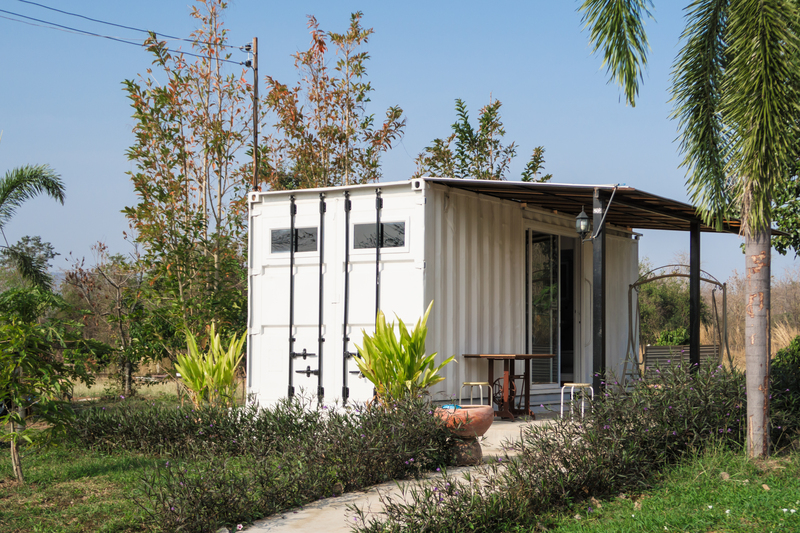
Starting Your Eco-Friendly Makeover Journey
Energy Efficiency Enhancements
Begin your eco-friendly makeover by optimizing your home's energy efficiency. Consider these effective measures:
- Insulation and Sealing: Proper insulation ensures your home remains energy efficient by maintaining desired temperatures and reducing heating/cooling costs.
- Smart Thermostats: They allow you to manage energy consumption intelligently, ensuring optimum use of heating and cooling systems.
- Energy-Efficient Appliances: Investing in appliances with a high energy rating minimizes electricity usage.
These steps collectively contribute to significant energy savings and a reduced carbon footprint.
Water Conservation Techniques
Water is a precious resource, and adopting water-saving methods in your eco-conscious home transformation is crucial:
- Low-flow Fixtures: Install low-flow showerheads, faucets, and toilets to reduce water consumption substantially.
- Water-Efficient Landscaping: Opt for native and drought-resistant plants that thrive without excessive watering.
- Rainwater Harvesting: Use rain barrels to collect rainwater for garden irrigation and other non-potable uses.
By implementing these strategies, you contribute to water conservation and lower utility bills.
Eco-Friendly Materials and Furnishings
When revamping your home's interior, prioritize the use of eco-friendly materials and furnishings:
- Reclaimed Wood: Incorporate reclaimed or recycled wood in your flooring and furniture to reduce deforestation.
- Non-Toxic Paints: Opt for low-VOC or zero-VOC paints to improve indoor air quality.
- Sustainable Fabrics: Choose organic cotton, hemp, or bamboo for upholstery and curtains.
These materials not only offer environmental benefits but also add a unique aesthetic appeal to your home.
Harnessing Renewable Energy Solutions
Incorporating renewable energy sources is a significant step towards creating a sustainable home. Consider the following options:
Solar Panels
Solar panels are a popular choice for generating clean energy. They reduce dependence on non-renewable energy sources and lower electricity bills. Installation costs have decreased over the years, making solar energy more accessible.
Wind Turbines
For those living in areas with ample wind, small residential wind turbines are a viable alternative. They complement solar panels and provide energy independence.
Implementing these solutions reduces reliance on fossil fuels and positions your home as an energy-efficient establishment.
Sustainable Practices for Daily Living
Waste Reduction
Waste management is a critical aspect of maintaining an eco-friendly lifestyle. Implement these strategies:
- Recycling and Composting: Segregate recyclable materials and create compost with kitchen scraps to reduce landfill waste.
- Minimalism: Embrace a minimalist approach by purchasing only what you need, which helps in cutting down waste.
Green Cleaning Products
Switch to eco-friendly cleaning products to reduce chemical exposure. Many household items, such as vinegar and baking soda, offer effective cleaning solutions without harmful side effects.
Connecting with Nature
Create a Green Space
Integrating plants into your living environment boosts air quality and well-being. Consider indoor plants known for cleaning the air, such as succulents, ferns, and peace lilies, to rejuvenate your living space.

The Financial Benefits of an Eco-Friendly Home
Transforming your home into a sustainable dwelling not only benefits the environment but also results in financial savings over time. These may include:
- Reduced energy costs
- Decreased water bills
- Increased property value
Homeowners today value sustainability, and investing in an eco-friendly makeover can boost your home's resale value.
Conclusion
Adopting an eco-friendly lifestyle through mindful home renovations has far-reaching effects, from contributing to the preservation of our planet to enhancing your daily living experience. This comprehensive guide provides you with the tools necessary to embark on this impactful journey, focusing on energy efficiency, water conservation, environmentally-friendly materials, and sustainable practices. By implementing these changes, you will not only create a greener home but a better future for generations to come.