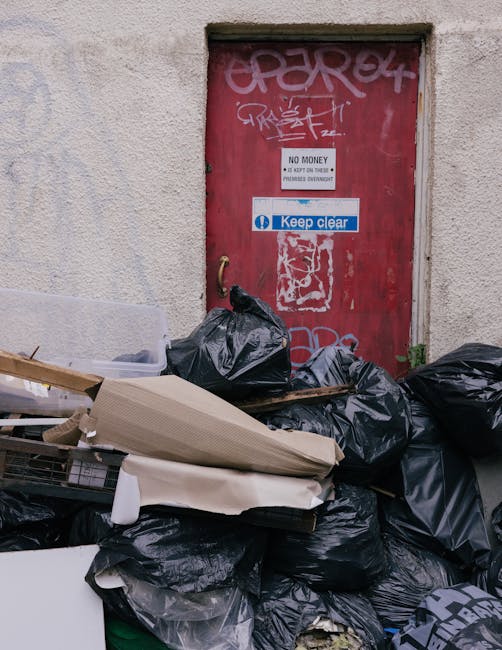
Access problems and rubbish removal on Priory Road

Rubbish removal sounds straightforward until you meet the real-world bits: a tight frontage, parked cars, narrow steps, awkward basement access, or a road where stopping for five minutes feels like an Olympic event. That is exactly why Access problems and rubbish removal on Priory Road deserves a proper, practical guide. If you are trying to clear a flat, house, garden, loft, or office in the Priory Road area, the access itself can shape everything: timing, vehicle choice, labour needed, and even the safest way to move items out without damage.
This article breaks down how access constraints affect clearance jobs, what good planning looks like, and how to avoid the usual headaches. You will also find a simple checklist, a comparison of common removal methods, and a realistic example from a typical tricky job. No fluff. Just the kind of advice that helps you make a sensible decision.
Why access problems and rubbish removal on Priory Road matters
Access is not a side issue. It is often the thing that decides whether a clearance feels calm and organised, or messy and expensive. On roads like Priory Road, the challenge is rarely the rubbish itself. It is getting to it, moving it safely, and doing so without blocking neighbours, scratching walls, or making repeated trips because the vehicle cannot get close enough.
In practical terms, access problems affect three things straight away: time, labour, and risk. A simple sofa removal can turn into a two-person carry down a narrow staircase. A garden pile may need bagging by hand before it can be loaded. A flat clearance might require parking further away and using a trolley. None of that is dramatic, but it changes the job. Quite a lot, actually.
For residents and landlords, this matters because delays tend to snowball. A parking issue can push the schedule back. A difficult entry point can increase the amount of handling required. A heavy item placed badly in a hallway can lead to damage that nobody wants to deal with afterwards. Better planning avoids that. Simple as that.
It also matters because rubbish removal is not only about getting items out. It is about doing it in a way that is safe, tidy, and considerate. On a busy street, that means thinking about neighbours, pedestrians, access routes, and the type of waste being handled. If you are also dealing with furniture, loft contents, or household clutter, services such as house clearance or flat clearance may be a better fit than trying to handle everything yourself.
Key takeaway: the less access you have, the more planning the clearance needs. Good rubbish removal is really access management plus loading, not just lifting bags into a van.
How access problems and rubbish removal on Priory Road works
The process usually starts with assessing access before anyone lifts a single item. That assessment may be done from photos, a call, or a walk-through. The aim is to understand what the team will face: stairs, steps, shared entrances, low door frames, a long carry to the road, tight corners, or a loading area that is awkward at best. A job can still be completely manageable, but the plan needs to match the space.
From there, the collection method is chosen. If the waste is easy to reach, a van may park close by and the load can be taken out directly. If access is restricted, the team may need to use smaller carrying loads, a trolley, more labour, or a different parking position. For mixed household waste, bulky items, and general clutter, a broader waste removal service is often the most practical route because it can handle varied materials in one visit.
When access is particularly tight, the clearance often works best in stages. For example, items may be brought from a loft to a landing, then sorted into manageable loads, then taken to the vehicle. That sounds obvious, but it saves a lot of back-and-forth. It also helps reduce the risk of chips in walls, scuffed banisters, or that awful moment when a bulky armchair jams in the wrong place.
For business premises, office furniture, or trade waste, access planning can matter even more because there may be time windows, shared entrances, or loading restrictions. In those situations, a structured approach through office clearance or business waste removal can be a cleaner fit than a general ad hoc uplift.
The key point is this: access problems do not make rubbish removal impossible. They just mean the work has to be designed around the building and the street rather than the other way round.
Key benefits and practical advantages
When the access challenge is handled well, the benefits are more than just convenience. They show up in the whole job.
- Less damage risk: careful route planning reduces knocks to walls, doors, bannisters, and flooring.
- Faster turnaround: a clear plan means fewer delays on the day.
- Better safety: fewer awkward lifts and less carrying through cramped spaces.
- Cleaner removal: waste can be sorted, bagged, and moved in a controlled way.
- Less stress for you: you are not trying to solve parking, lifting, and disposal all at once.
- Better neighbour relations: a tidy, well-managed job is less intrusive on a shared street.
There is also a financial angle, though people do not always think about it at first. Bad access usually means more time and more labour. Good access planning can avoid unnecessary costs, or at least keep them predictable. If you want to understand that side properly, the pricing and quotes information is a useful place to start because it helps you think in terms of job size, access, and complexity rather than just volume.
Another quiet benefit is confidence. Once access is mapped out, the job tends to feel less overwhelming. You know whether the wardrobe can come out whole or must be broken down. You know whether the garden waste can be reached directly or needs staging. You know what is going to happen. That matters more than it sounds like it should.
Who this is for and when it makes sense
This kind of service is useful for anyone dealing with awkward access and unwanted items that need moving safely. In real life, that includes a lot of people:
- homeowners with narrow hallways, basement rooms, or difficult front access
- flat owners and tenants in upper-floor properties
- landlords clearing between tenancies
- estate agents arranging sensitive property clearances
- business owners needing office or stock removal
- builders and contractors with waste sitting where a skip is not practical
- people sorting lofts, garages, or gardens with limited path access
It makes sense when the job is too much for one person, too bulky for a car, or too awkward to carry out without extra help. A few bin bags are one thing. A broken wardrobe, old beds, mixed junk, and a heavy fridge in a narrow stairwell? That is a different story entirely.
It also makes sense when timing is tight. Maybe you need a property cleared before a move, a handover, or decorating work. Maybe the weather has turned, and you do not want rubbish sitting outside through a wet week in London drizzle. Fair enough. Nobody wants that smell hanging around either.
For more specialised jobs, the type of clearance matters too. A cluttered attic might suit loft clearance, while a crowded garage may be better handled with garage clearance. Garden waste is its own category, and it behaves differently once it has been wet, compacted, or mixed with soil.
Step-by-step guidance
If you are dealing with access issues on Priory Road, a structured approach makes everything easier. Here is a practical way to think about it.
- Identify the access route. Start at the front of the property and work backwards. Can a van stop nearby? Are there steps? Is there a shared hallway, gate, or rear entry?
- Measure the awkward bits. Door widths, stair turns, low ceilings, and tight corners are the usual trouble spots. You do not need engineering precision, just enough to judge whether big items will fit.
- Sort the waste by type. Separate furniture, general rubbish, garden waste, builders' debris, and anything sensitive or hazardous. Mixed piles cause delays.
- Decide what needs dismantling. Some items are easier and safer when taken apart first. A shelf unit may be simple; a wardrobe with a stubborn frame may not be.
- Choose the right clearance method. For mixed household contents, a home or house clearance may be best. For a smaller property, a home clearance can be enough. For heavy furniture, consider furniture disposal or furniture clearance.
- Plan parking and loading. If the vehicle cannot park directly outside, factor in the carry distance. A few extra metres matter more than most people expect.
- Clear the route before the team arrives. Move bikes, plant pots, bins, or loose clutter out of the way. It saves time and awkward manoeuvres.
- Check the final sweep. Once the rubbish is removed, do a quick walkthrough to make sure nothing important has been bundled by mistake.
That last step sounds almost too simple, but it catches the small stuff. Keys, chargers, paperwork, a child's toy under a chair. Happens all the time.
Expert tips for better results
In our experience, the best clearance jobs are the ones where the access is treated like part of the job brief, not something to figure out halfway through. A few practical tips make a real difference.
Take photos from the entrance, not just the waste pile. The pile tells only half the story. The route out tells the rest. A photo of the stairs, hallway, gate, or parking position can be far more useful than a close-up of the rubbish.
Leave yourself more time than you think. Access problems have a habit of revealing themselves one at a time. First the parking. Then the stairs. Then the tight turn at the landing. Better to allow breathing room.
Use bags, boxes, and manageable bundles. Loose bits slow everything down. If small items are already bagged or boxed, the team can move faster and safer.
Be honest about difficult items. Old sofas, wardrobes, heavy white goods, broken desks, and wet garden waste can all change the job. Say it up front. Nobody likes surprises on a narrow staircase.
Think about the weather. A wet front path or slippery step changes the risk level. You may not notice it at first, but the crew will. And rightly so.
Use the right service for the waste type. Builders' rubble, household clutter, old furniture, and garden waste are not identical jobs. If you are clearing renovation debris, builders waste clearance is usually more appropriate than a general tidy-up.
One small, slightly boring but genuinely helpful tip: label what is staying and what is going. It cuts down on confusion. Boring, yes. Useful, absolutely.
Common mistakes to avoid
The most common mistake is underestimating access. People often look at the pile and think, "That looks manageable." Then they meet the stairwell, the awkward bend, or the parking restriction, and suddenly it does not look so manageable after all.
Another frequent issue is failing to separate waste types. Garden cuttings mixed with broken furniture and plasterboard can complicate collection, sorting, and disposal. It may also mean the job takes longer than expected.
Here are the mistakes worth avoiding:
- not checking whether large items can physically fit out of the property
- forgetting about parking or loading restrictions
- leaving the route cluttered with everyday household items
- assuming every removal job can be done in one quick lift
- not mentioning stairs, basement access, or shared entrances in advance
- trying to move heavy furniture without enough help
- mixing rubbish that really should be handled separately
There is also a mindset mistake, if that makes sense. Some people try to "push through" awkward access and hope it will be fine. Usually it is fine until the moment it is not. Then you are dealing with delays, strained backs, or a scratched wall. Nobody wins there.
Tools, resources and recommendations
You do not need a van full of specialist equipment to manage an awkward clearance, but a few basic tools and sensible resources help a lot.
- Heavy-duty sacks and boxes: for loose waste, books, clothing, and smaller clutter.
- Work gloves: useful for dusty lofts, broken edges, and garden debris.
- Furniture blankets or wraps: help protect banisters, floors, and door frames.
- Furniture straps or trolleys: useful when items need controlled movement through narrow spaces.
- Lighting: lofts, basements, and side passages often look worse under poor light.
- Basic measuring tape: handy for doors, stair turns, and awkward furniture dimensions.
From a service perspective, it helps to use a provider that can handle more than one type of clearance when needed. A mixed job may involve household waste, furniture, garden debris, and a bit of builder's residue. In those cases, it is worth looking at the broader service set, including recycling and sustainability, so you understand how reusable items and recyclable materials are treated where possible.
If the job involves delicate or high-value items, you may also want to read up on the company's insurance and safety approach. It is one of those things people only think about after a problem. Better before, if you can.
Law, compliance, standards, or best practice
For rubbish removal in the UK, the sensible rule is simple: waste should be handled responsibly, kept under control, and passed to a legitimate disposal route. You do not need to become a legal expert to make good decisions, but it helps to know the basics.
Best practice usually includes:
- keeping waste secure during collection and transport
- not leaving rubbish where it can cause a nuisance or hazard
- separating reusable or recyclable items where practical
- handling bulky items safely to reduce damage and injury risk
- making sure the service you choose operates in line with accepted UK waste-handling expectations
If there is any doubt about hazardous or unusual waste, it should be discussed first. Paints, chemicals, asbestos-containing materials, or electrical items may need special handling. That is not the sort of thing to casually "sort out on the day."
For businesses, the bar is a bit higher because you are also thinking about continuity, access control, and site safety. That is why office and business clearances are best planned rather than improvised. A decent provider will have a clear health and safety policy and a straightforward terms and conditions page so expectations are set early. No mystery, no faff.
Options, methods, and comparison table
Different access situations call for different removal methods. Here is a plain-English comparison to help you choose.
| Method | Best for | Access considerations | Typical advantage |
|---|---|---|---|
| General waste removal | Mixed rubbish, bags, household clutter | Good when items are already grouped and ready to carry | Flexible and simple |
| House clearance | Whole-property or large-scale clearouts | Useful when access is complex and more planning is needed | Can handle larger, more varied jobs |
| Flat clearance | Upper-floor or compact properties | Helpful where stairs, shared halls, or limited parking are involved | Efficient for residential moves and tenant changes |
| Furniture clearance | Bulky items like sofas, beds, tables | Best when widths, corners, and stair turns have been checked | Less stress with heavy items |
| Garden clearance | Green waste, branches, soil, garden clutter | Works best if rear or side access is available | Quick way to restore outdoor space |
| Builders waste clearance | Rubble, timber, packaging, renovation debris | Often depends on whether the waste is near the front or rear of the property | Suited to trade and refurbishment work |
If you are still deciding, a simple question helps: what is hardest about the job? The amount of waste, or the route it has to take out of the property? If the second one is the bigger issue, then access planning should lead the conversation.
Case study or real-world example
Picture a typical job on Priory Road. A resident needs a two-bedroom flat cleared before new tenants move in. There is no lift, the staircase turns sharply at the first landing, and parking outside is limited because the street gets busy by mid-morning. Nothing impossible. Just a bit fiddly.
The useful move here is to separate the job into categories: smaller bags of general waste, a few pieces of furniture, and items that can be dismantled. The team arrives with a plan, checks the stair width, and keeps the hallway clear. A wardrobe is taken apart rather than forced through the turn. A sofa is carried with a second person at the front because, frankly, that is the smart way to do it. The loading point is slightly further away than ideal, so the crew allows extra carrying time and avoids rushing.
The result is not dramatic. That is the point. The flat is cleared without damage, the neighbours are not disturbed for long, and the property is ready on time. No shouting, no last-minute panic, no mysterious scratch on the wall that everyone notices but nobody wants to discuss. A quiet success, which is usually the best kind.
For jobs like this, the real value is not just removal. It is coordination. If the property also contains old household items or furniture that need separate handling, related services such as furniture clearance can help keep the process smooth.
Practical checklist
Use this before arranging rubbish removal on Priory Road. It saves time and avoids awkward surprises.
- Identify every access route into the property.
- Check for stairs, steps, narrow halls, and tight corners.
- Measure any bulky item that might need to pass through a doorway or landing.
- Decide which items are being removed and which are staying.
- Separate general waste from furniture, garden waste, and builders' debris.
- Clear the path from the waste area to the exit.
- Think about parking and the carry distance to the vehicle.
- Flag anything fragile, heavy, or awkward in advance.
- Make sure the final disposal route is appropriate for the waste type.
- Allow a little extra time. Always.
If the waste includes garage contents, garden waste, or loft clutter, it may be worth grouping it into the relevant service type rather than treating it all as one pile. That small bit of sorting can make a big difference on the day.
Get a free quote today and see how much you can save.
Conclusion
Access problems and rubbish removal on Priory Road are really about making a difficult route feel simple again. Once you understand the entry points, stairways, parking, item sizes, and disposal needs, the whole process becomes easier to control. That means less stress, less damage risk, and a much better chance of getting the job done in one clean visit.
The best approach is usually the calm one: plan the route, sort the waste, be honest about the awkward bits, and choose the service that fits the property rather than forcing the property to fit the job. It is a small shift in thinking, but it changes everything.
If you are facing a cluttered flat, a stubborn loft, a heavy sofa, or a garden pile that seems to have grown overnight, you are not alone. These jobs happen every day, and with the right plan they are very manageable. One step at a time. That is usually enough.
Frequently Asked Questions
What makes rubbish removal on Priory Road difficult?
Usually it is not the rubbish itself, but access: narrow entrances, stairs, limited parking, shared hallways, or long carry distances to the vehicle.
Can large furniture be removed from a property with tight access?
Yes, often it can. The key is checking measurements first and deciding whether the item needs to be dismantled or carried with extra care.
Do I need to sort my waste before collection?
It helps a lot. Separating furniture, general rubbish, garden waste, and builders' debris makes the job faster and more efficient.
What if the van cannot park directly outside?
That is common on busy streets. The crew can usually work with a short carry distance, but it should be factored into the plan from the start.
Is a house clearance better than general waste removal?
If you are clearing a whole property or a large volume of mixed contents, house clearance is often the better option. For smaller, mixed loads, waste removal may be enough.
How do I prepare a flat with stairs and no lift?
Clear the routes, measure bulky items, and tell the clearance team about the staircase shape, turns, and any awkward landings. That alone saves a lot of trouble.
Can garden waste and furniture be collected together?
Sometimes yes, but it depends on how mixed the load is. Combining them in one job can work well if the items are organised and the access plan is clear.
What should I do with items I want to keep?
Move them out of the route and label them clearly. It sounds basic, but it prevents accidental removal and keeps the team focused.
How far in advance should I book a clearance?
As early as you reasonably can, especially if access is difficult or you need the job done by a specific date.
What happens if there is hidden clutter behind the main pile?
That happens more often than people think. A good plan allows a little flexibility, but it is best to mention any hidden areas in advance.
Are there any safety concerns with awkward access?
Yes. Tight stairs, heavy items, wet paths, and poor lighting all increase the risk of slips or damage, so they should be handled carefully.
What is the easiest way to get an accurate quote?
Share clear photos, describe the access route, list the items to be removed, and mention anything unusual such as steps, parking limits, or shared entrances.
And if you are still unsure, that is completely normal. A quick conversation and a few good photos usually tell the story better than a long guess ever could. Sometimes the best job starts with just being properly understood.